Resources
Insights from our hubs — farming innovation, operational stories, and nutritional guides from the Noble Farms team.
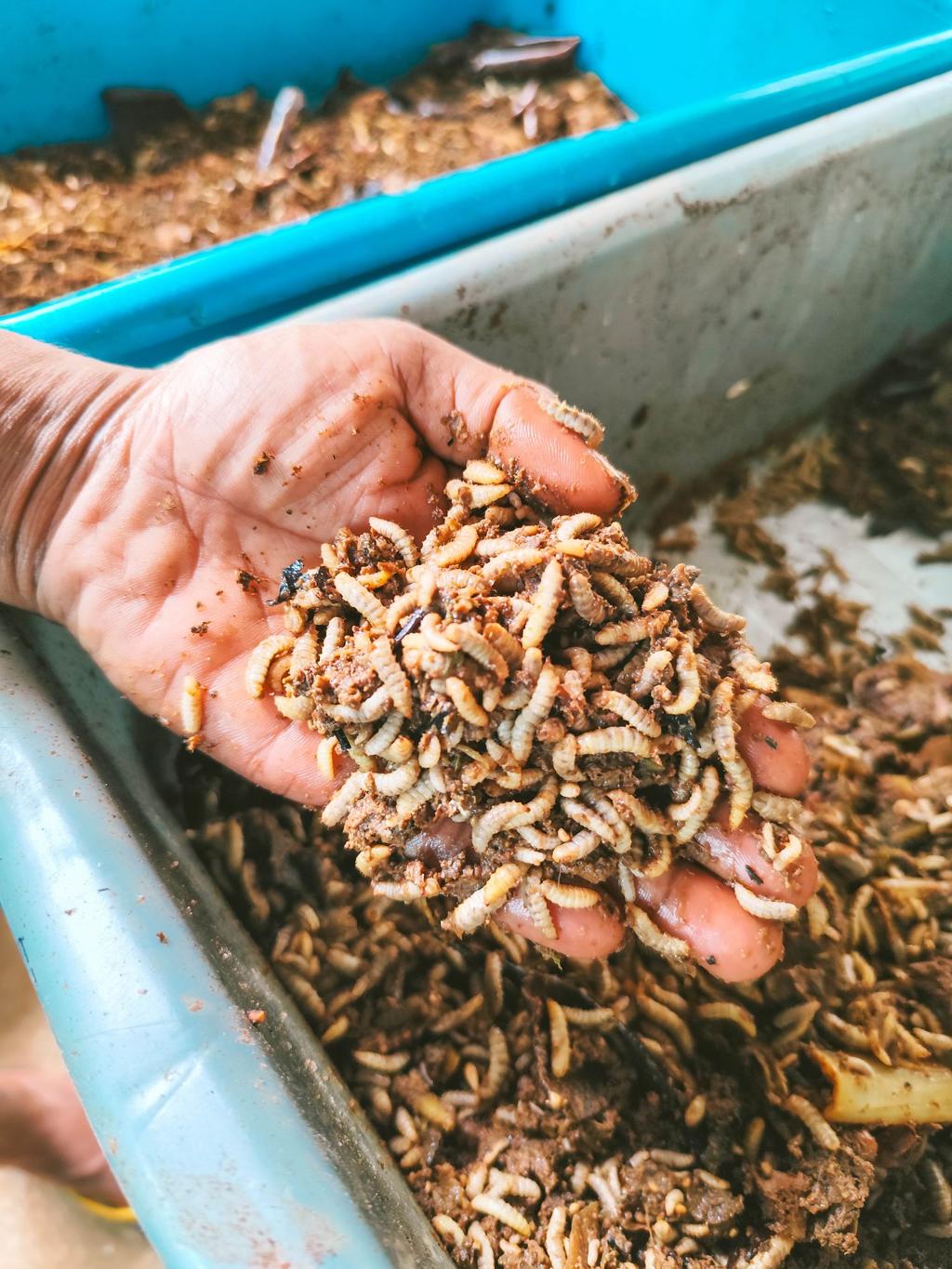
Anatomy of the Black Soldier Fly
The anatomy of the Black Soldier Fly is specially adapted for its role in waste conversion and reproduction. The adult fly possesses large compound eyes, long antennae, wings, and three pairs of legs, while its reduced mouthparts reflect its non-feeding lifestyle. In contrast, the larval stage is equipped with strong feeding structures and an efficient digestive system that enable it to consume and convert large quantities of organic waste. Understanding the anatomy of BSF helps farmers
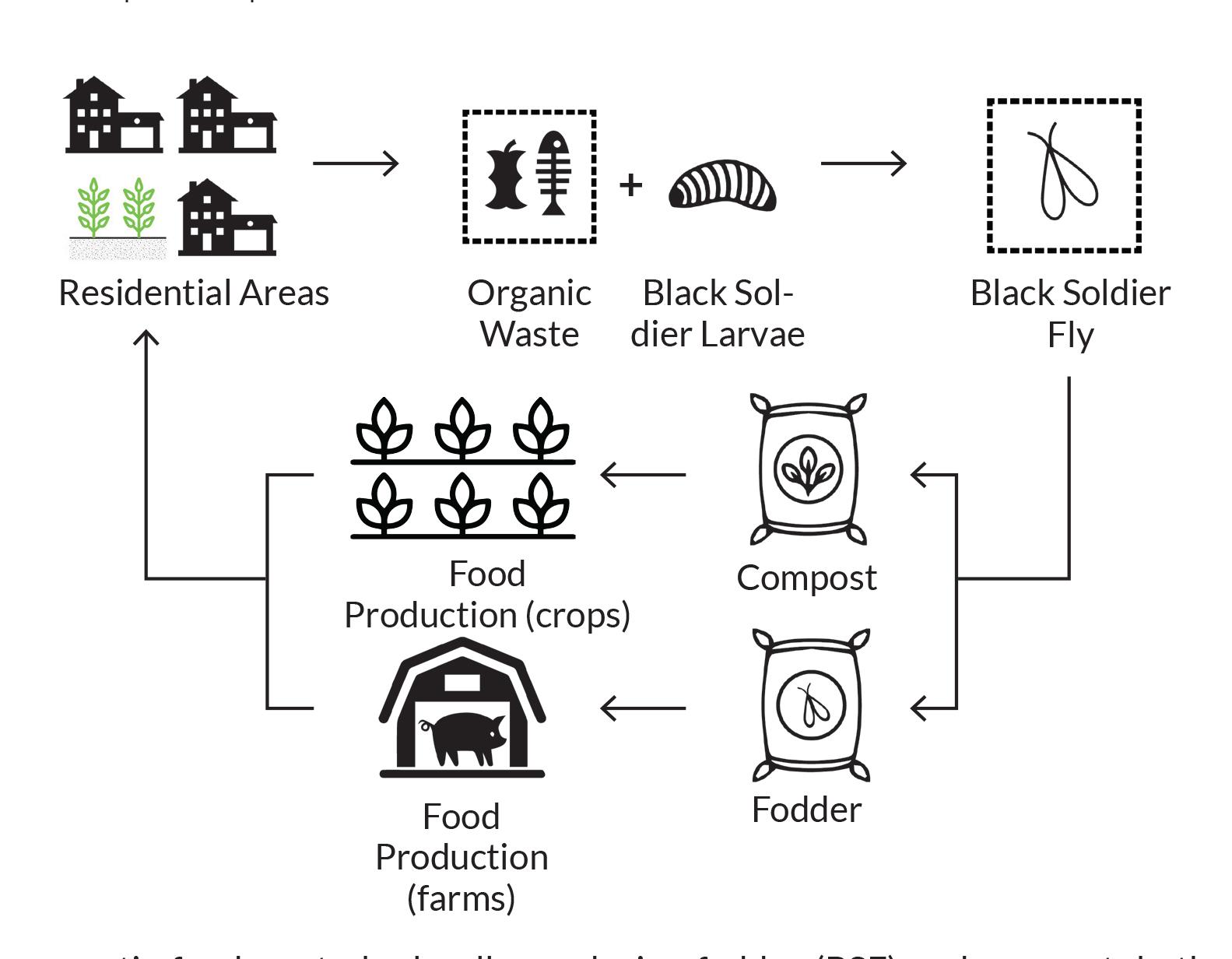
Benefits of Black Soldier Fly (BSF) in Sustainable Agriculture
The Black Soldier Fly (BSF) plays a vital role in sustainable agriculture by converting organic waste into valuable products such as animal feed and organic fertilizer. Its larvae efficiently recycle food waste, manure, and agricultural by-products into protein-rich biomass that can be used to feed poultry, fish, and pigs. BSF farming reduces environmental pollution, conserves natural resources, supports food security, and creates economic opportunities for farmers. By transforming waste
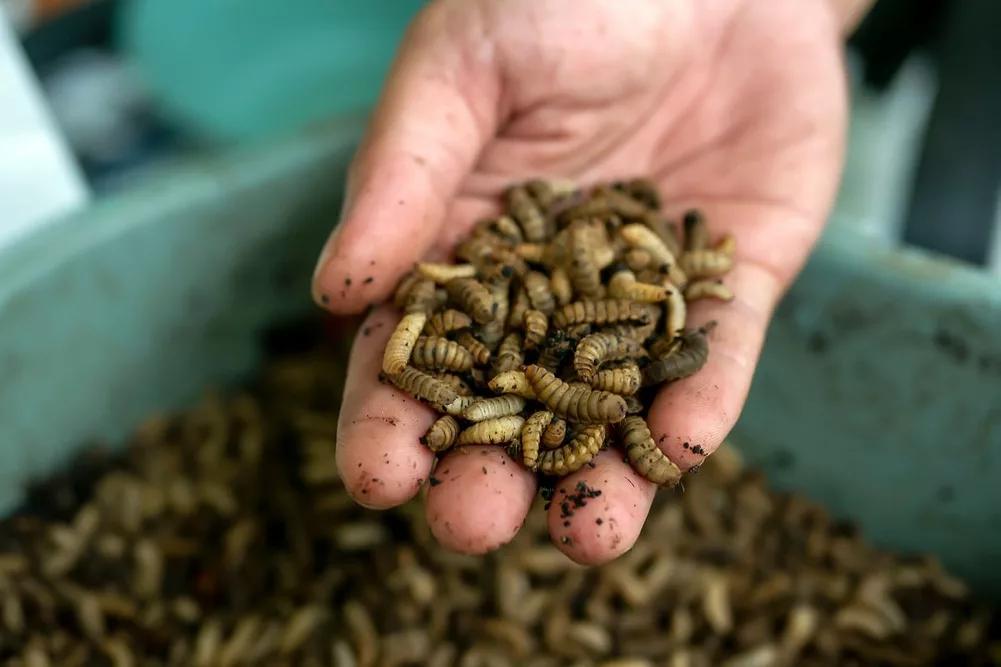
History and Global Importance of BSF Farming
The history of Black Soldier Fly farming reflects the growing global need for sustainable solutions to waste management and animal feed production. Once regarded as an ordinary insect, the Black Soldier Fly has become a valuable resource in modern agriculture due to its remarkable ability to convert organic waste into protein-rich biomass and organic fertilizer. Today, BSF farming is practiced around the world and contributes significantly to environmental conservation, food security, an
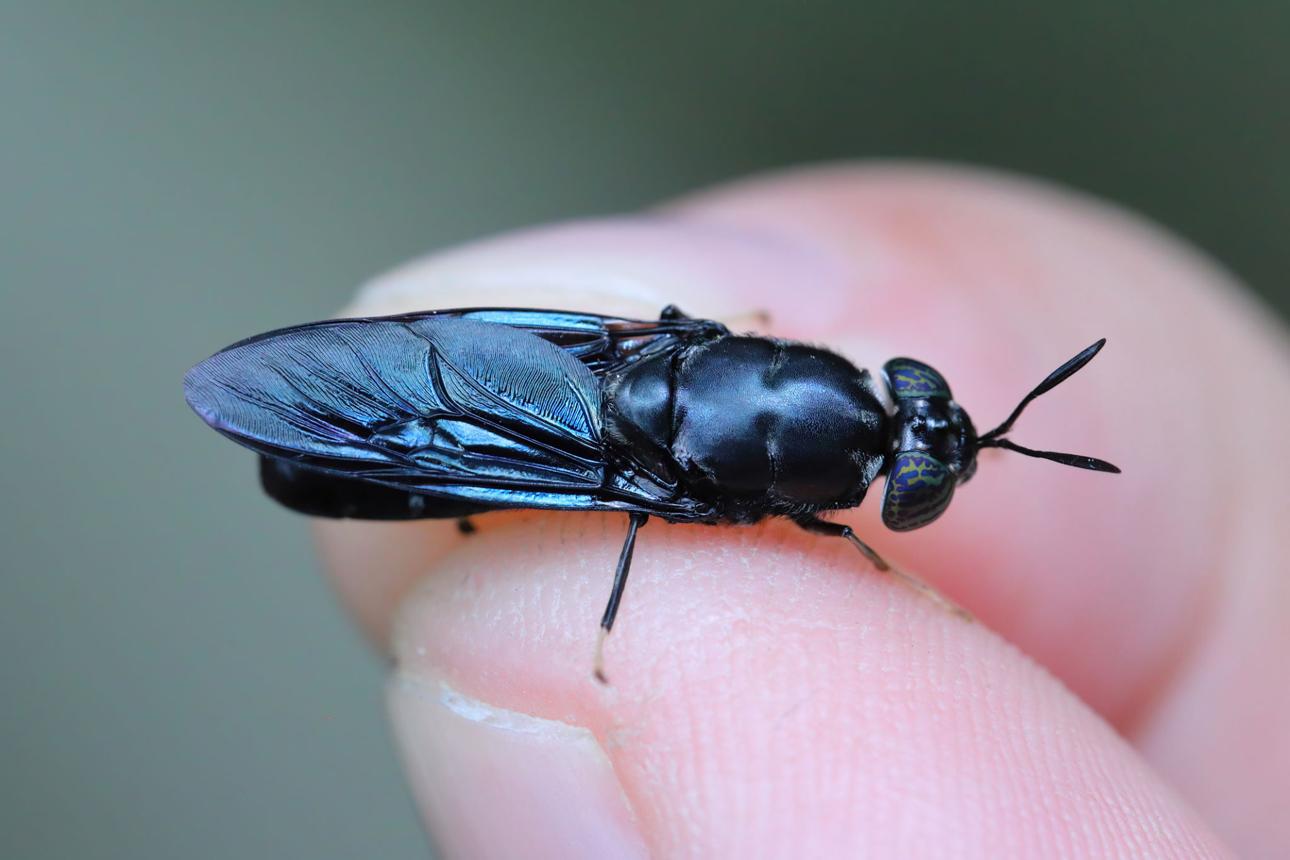
What is the Black Soldier Fly (BSF)?
The Black Soldier Fly (BSF), Hermetia illucens, is a beneficial insect that plays a significant role in sustainable agriculture, waste management, and livestock production. Unlike common houseflies, BSF adults do not bite, sting, or transmit diseases because they do not feed during their adult stage. Instead, they rely on energy reserves accumulated during the larval stage and focus primarily on reproduction.
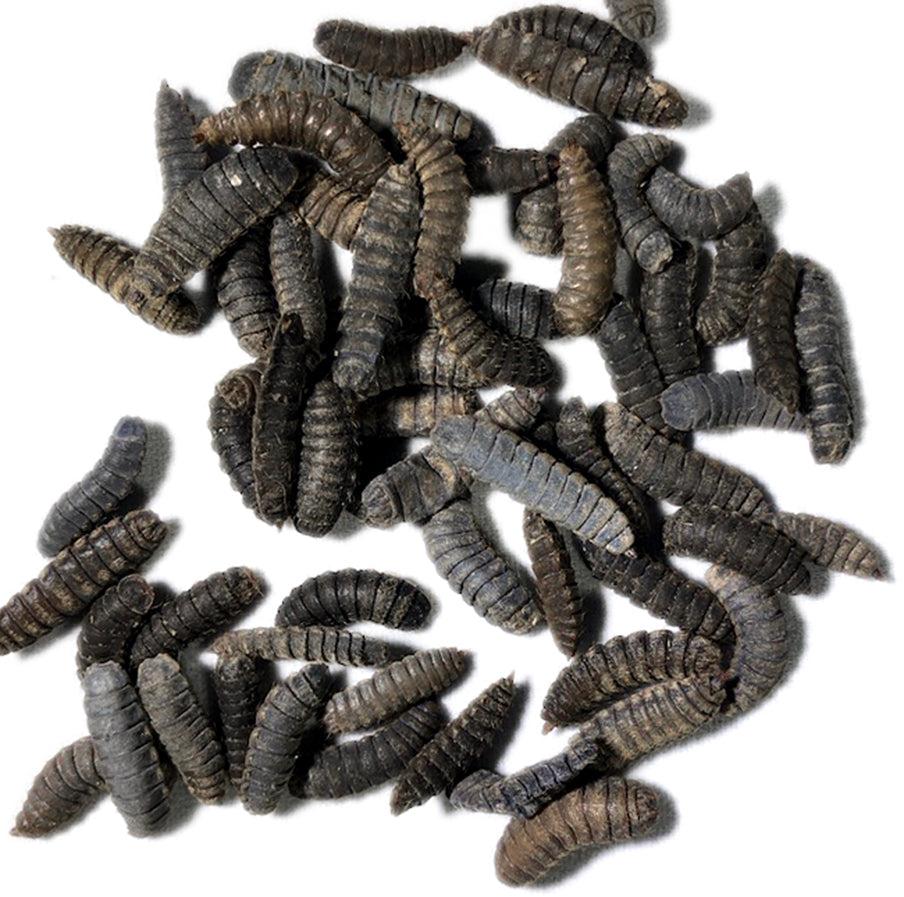
Black Soldier Fly (BSF) Life Cycle and Biology
The Black Soldier Fly (*Hermetia illucens*) undergoes complete metamorphosis, progressing through four stages: egg, larva, pupa, and adult. Female flies lay hundreds of eggs near decomposing organic matter, ensuring that newly hatched larvae have immediate access to food.
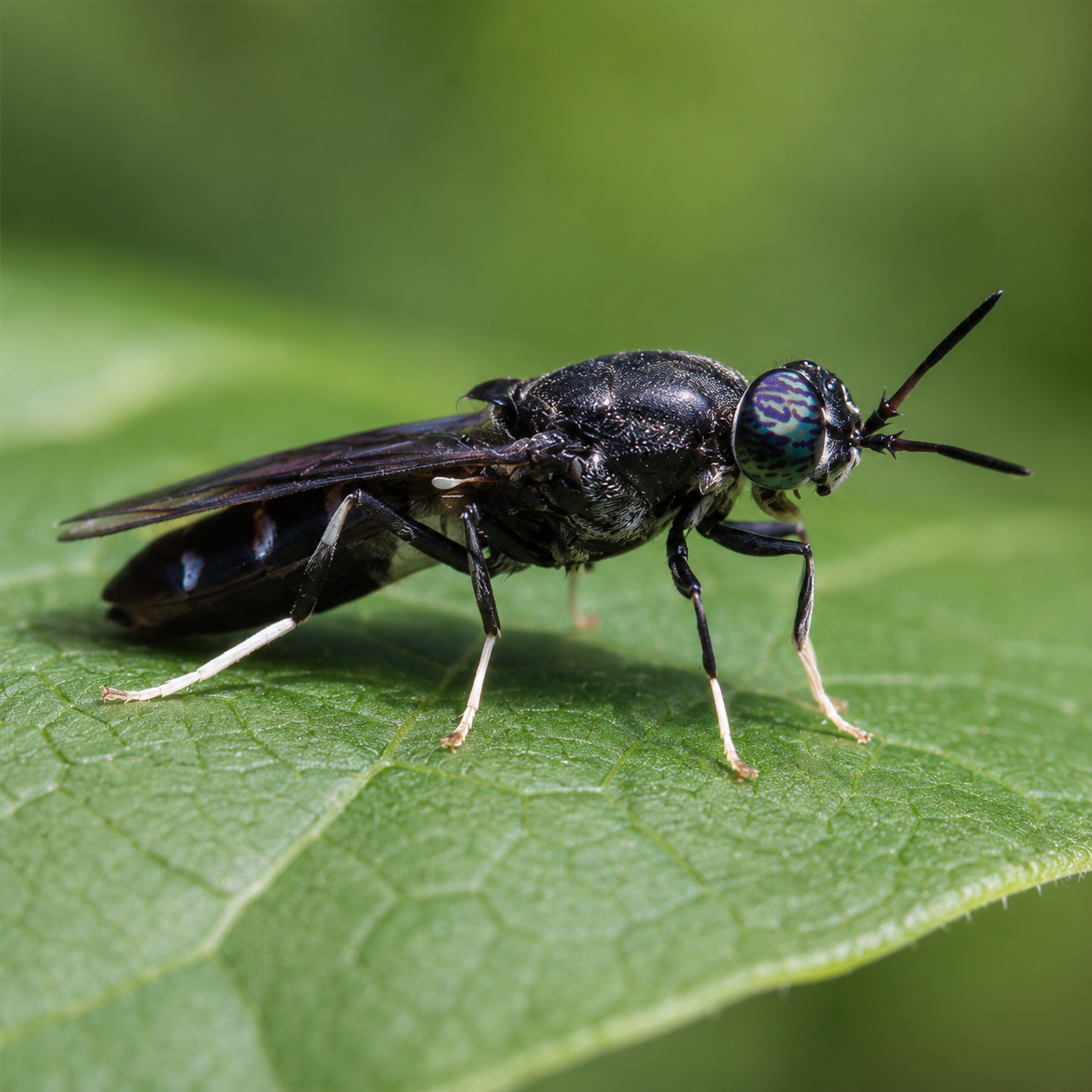
The Black Soldier Fly
Maggot farming is the practice of raising fly larvae, especially Black Soldier Fly (BSF) larvae, in a controlled environment to convert organic waste into valuable products. The larvae feed on food scraps, animal manure, and agricultural waste, rapidly transforming these materials into high-quality protein and organic fertilizer. Maggots are widely used as an affordable and sustainable feed source for poultry, fish, pigs, and other livestock due to their high protein and fat