Resources
Insights from our hubs — farming innovation, operational stories, and nutritional guides from the Noble Farms team.
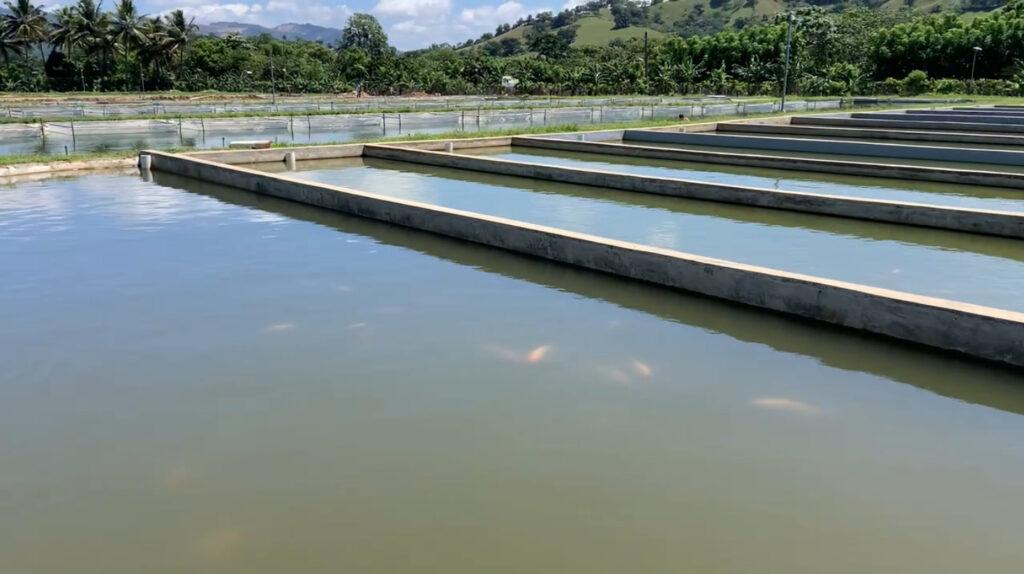
Catfish Farming: Tarpaulin Pond vs Concrete Pond vs Earthen Pond
There is no single "best" pond. The best pond depends on your goals: Tarpaulin Pond: Best for beginners and small spaces. Concrete Pond: Best for hatcheries and intensive commercial production. Earthen Pond: Best for large-scale grow-out and maximum profitability. For most commercial farms, including integrated farms such as Noble Farms, a combination of concrete ponds for nursery operations and earthen ponds for grow-out production often provides the highest returns.
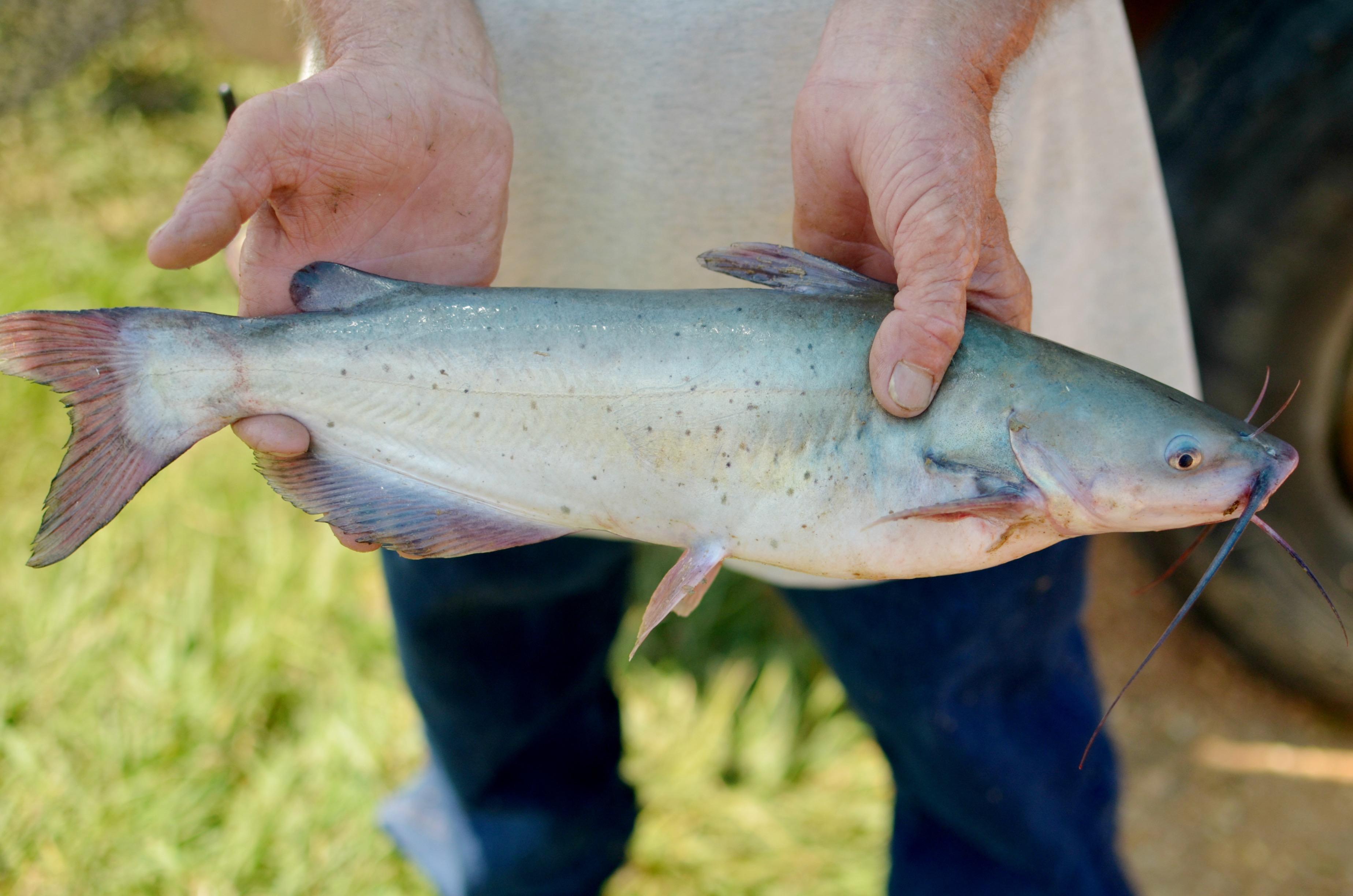
Catfish Feeding Guide: From Fingerlings to Table Size
Successful catfish farming depends not only on feeding more feed but on feeding the right amount, at the right time, with the right nutrition. Proper feeding management leads to faster growth, healthier fish, better water quality, and higher profits
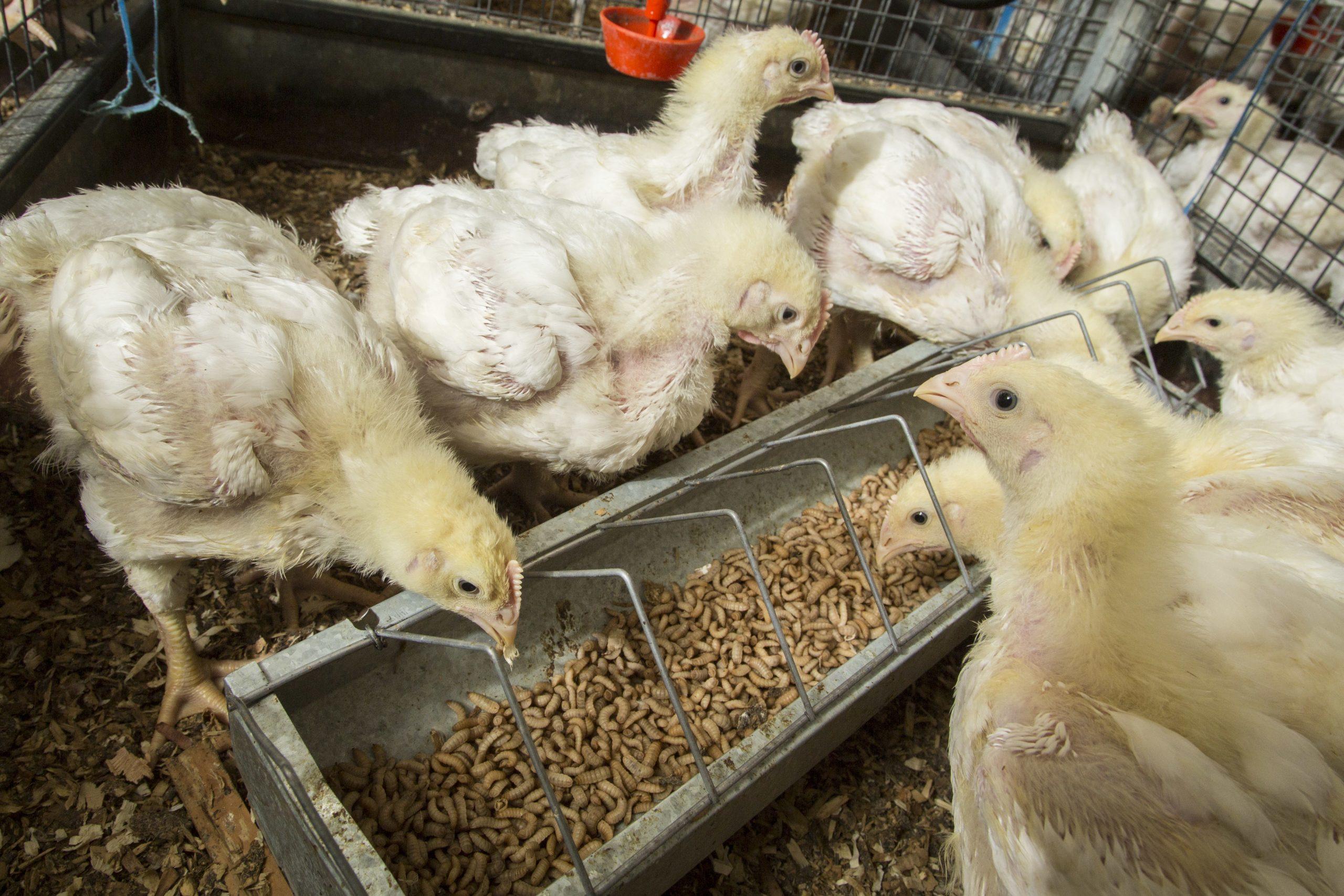
Maggot Farming: From Waste to Wealth
"In maggot farming, yesterday's waste becomes tomorrow's feed, fertilizer, and profit." "Waste is not waste until it is wasted." – A principle perfectly demonstrated by Black Soldier Fly farming.
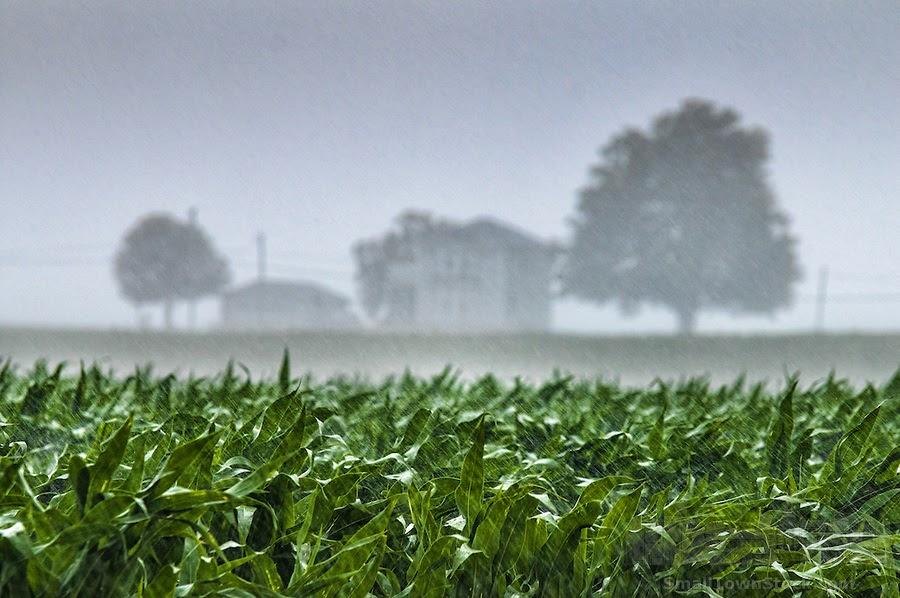
Farming: God's System of Multiplication and Blessing
Farming is more than a business—it is participation in God's system of multiplication. The farmer plants one seed and receives many. The farmer raises one generation and watches it reproduce. Every harvest is a reminder that God designed the earth to be fruitful. Farming is God's visible demonstration that increase comes from Him. The farmer plants, nature cooperates, but God gives the increase. (1 Corinthians 3:6)
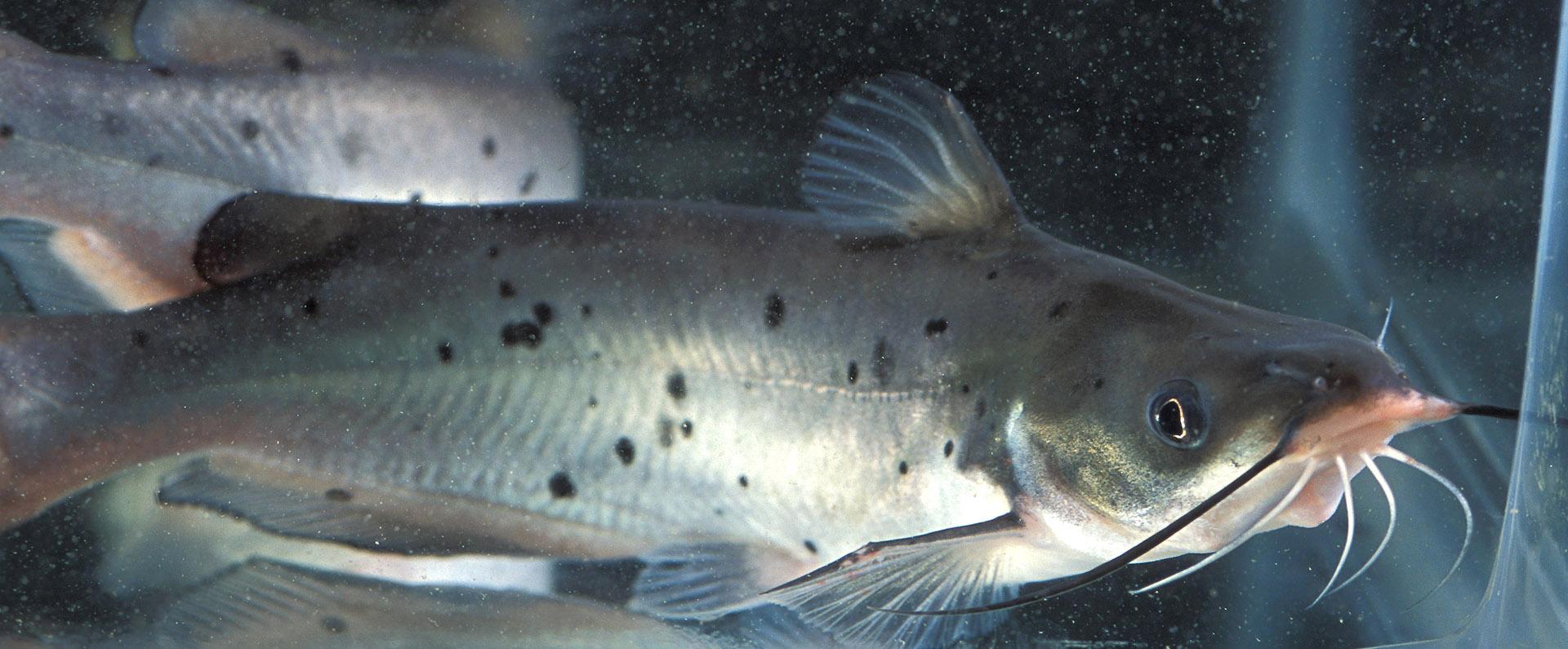
BSF Larvae for Fish Farming
Black Soldier Fly (BSF) larvae are rapidly gaining popularity in aquaculture as a sustainable and cost-effective alternative to traditional fish feed ingredients. Rich in protein, healthy fats, and essential nutrients, BSF larvae support rapid fish growth, improve feed efficiency, and promote overall fish health. Fish species such as catfish, tilapia, and carp readily consume both fresh and dried larvae due to their natural instinct to feed on insects.
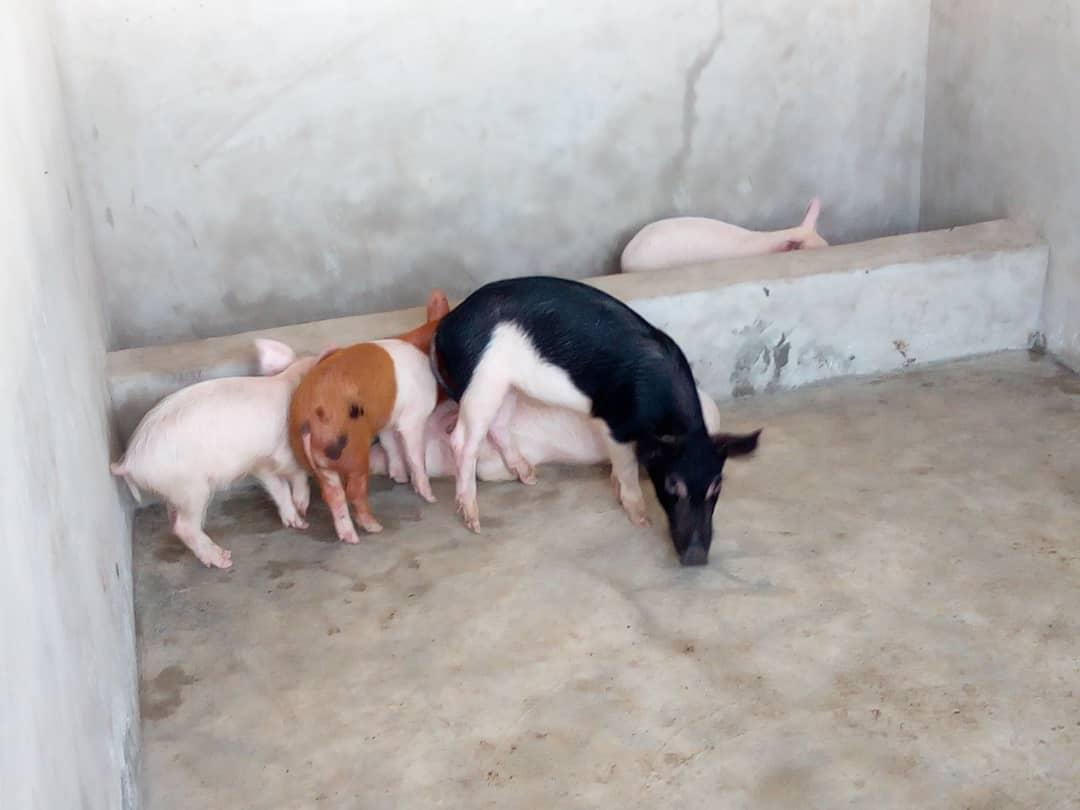
How Noble Farms Constructed Its 165-Capacity Piggery
Noble Farms, located in Ondo Town, Ondo State, operates a modern 165-capacity piggery built with durable block walls and a well-ventilated shed design. The farm utilizes a deep-litter system based on sawdust bedding and Indigenous Microorganisms (IMO) to create an odor-controlled environment while promoting efficient waste decomposition. Clean water is supplied through both troughs and drinking nipples, and pigs are carefully grouped according to age and litter origin to reduce stress an
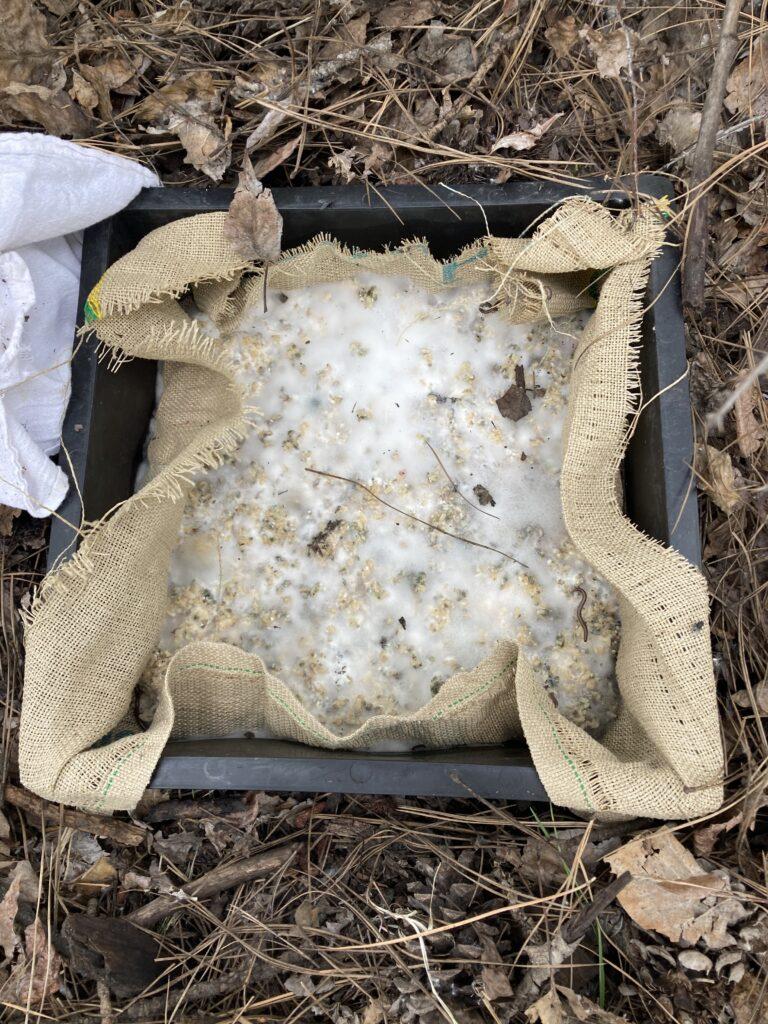
How to Produce IMO (Indigenous Microorganisms) for Odorless Farming
Indigenous Microorganisms (IMO) are beneficial microbes collected from the local environment and cultured for agricultural use. They play a vital role in odorless farming by accelerating the decomposition of organic waste, suppressing harmful bacteria, and reducing the production of ammonia and other foul-smelling gases. When applied in poultry houses, piggeries, BSF farms, and compost systems, IMO promotes a healthier environment, improves waste management, and supports sustainable, low
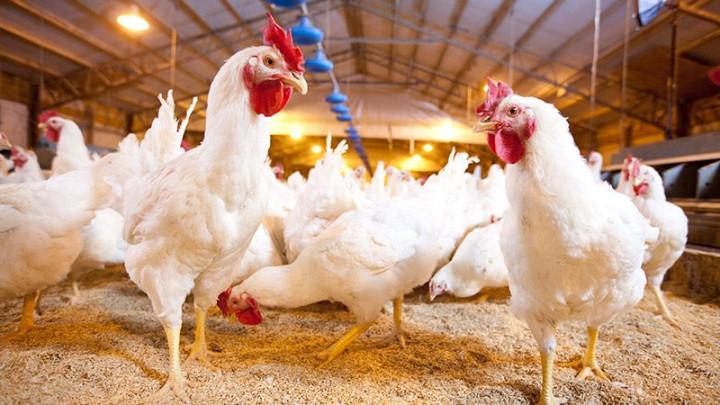
Artificial Insemination (AI) in Broiler Breeders
Artificial insemination is an important reproductive technology used in broiler breeder production to improve fertility, hatchability, and genetic efficiency. The process involves collecting semen from healthy roosters and depositing it into the reproductive tract of hens under controlled conditions. AI is especially valuable in modern broiler breeders, where heavy body weight often reduces natural mating efficiency. When combined with proper nutrition, flock health, and skilled manageme
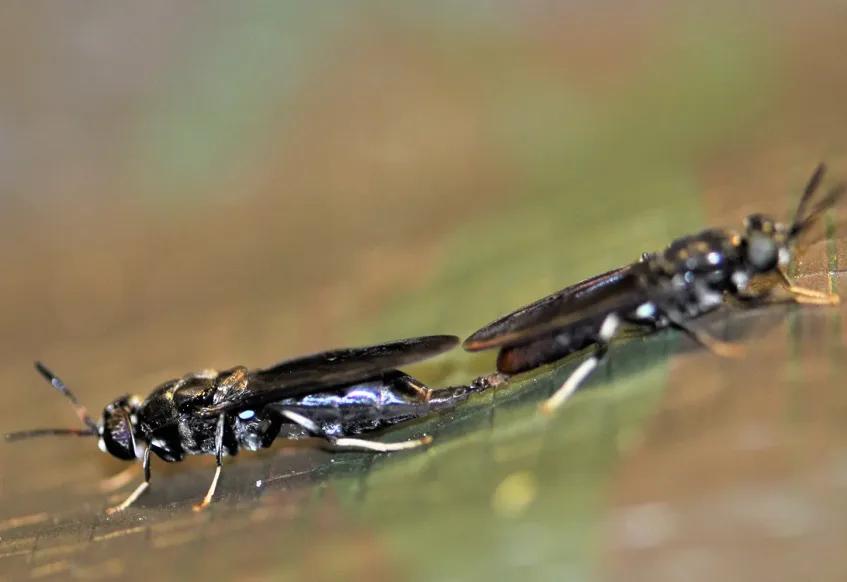
Reproductive Biology of BSF
The reproductive biology of the Black Soldier Fly is essential to successful BSF farming. Adult flies devote their short lifespan almost entirely to reproduction, with mating occurring under warm, well-lit conditions. After mating, females lay hundreds of eggs in dry crevices near organic waste, where the eggs hatch within a few days into larvae. Because adult BSF do not feed, their reproductive success depends largely on the nutrients accumulated during the larval stage. By understandin