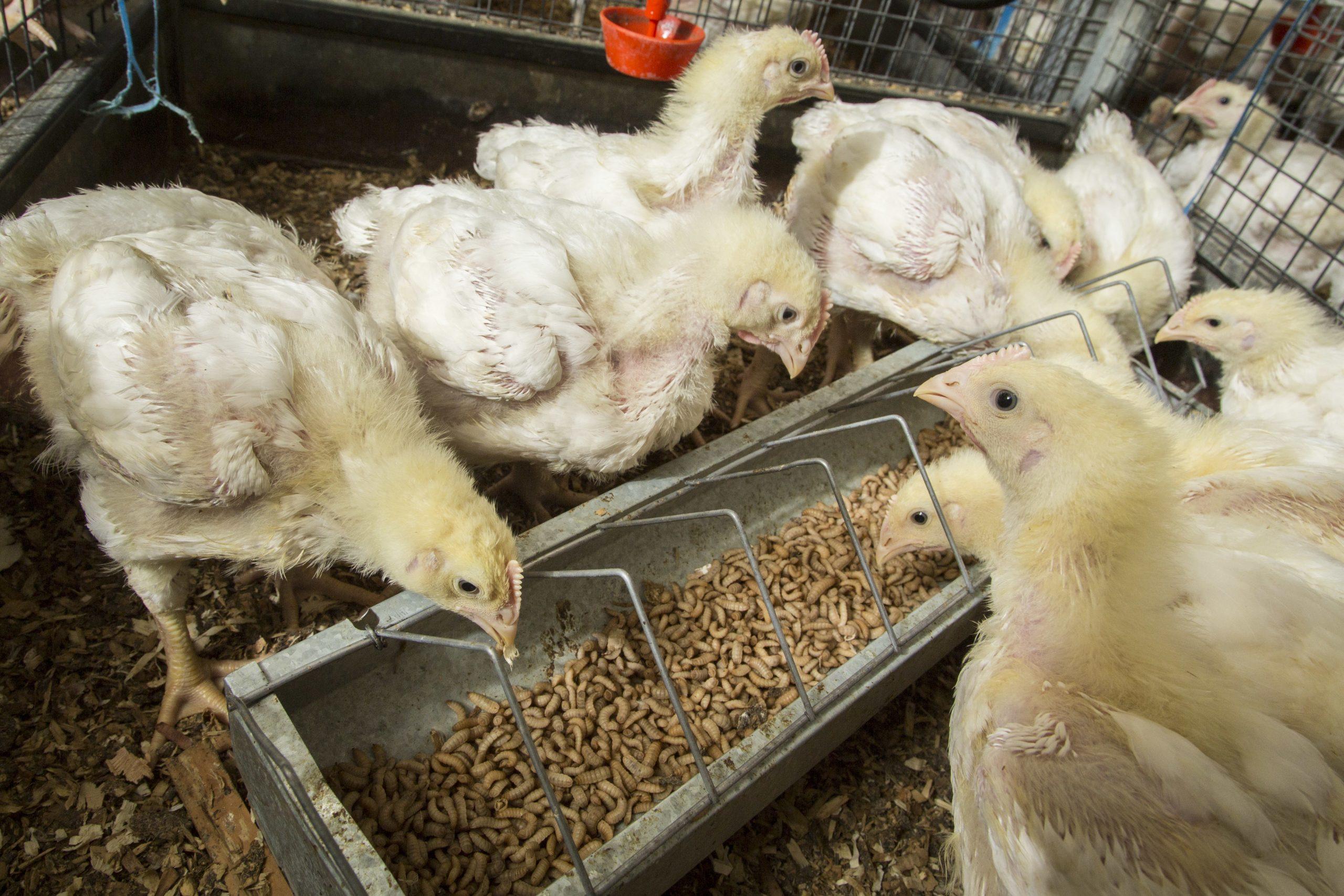
Maggot farming, particularly using the Black Soldier Fly (BSF), is one of the most innovative and profitable agricultural enterprises in the world today. It transforms organic waste into valuable products such as animal feed, organic fertilizer, and income.
What many people consider waste—food scraps, fruit peels, market waste, crop residues, and livestock manure—can become a resource for producing high-quality protein through BSF larvae.
This is truly a "waste-to-wealth" system.
What Is Maggot Farming?
Maggot farming is the cultivation of insect larvae, especially Black Soldier Fly larvae, for commercial purposes.
The larvae feed on organic waste and convert it into:
- Protein-rich larvae for livestock feed
- Healthy fats for animal nutrition
- Organic fertilizer (frass)
- Income for farmers
Unlike houseflies, Black Soldier Fly adults do not spread disease because they do not feed on garbage or human food.
The Waste Problem

Millions of tons of organic waste are generated daily from:
- Households
- Restaurants
- Markets
- Farms
- Food processing facilities
Improper disposal causes:
- Bad odors
- Environmental pollution
- Greenhouse gas emissions
- Disease vectors
BSF larvae provide a natural solution by consuming large quantities of organic waste rapidly.
Turning Waste into Valuable Protein
A remarkable characteristic of BSF larvae is their appetite.
The larvae can consume:
- Fruit waste
- Vegetable waste
- Brewery waste
- Food leftovers
- Poultry manure
- Pig manure
- Agricultural by-products
As they feed, they grow rapidly and convert waste into nutrient-dense biomass.
The result:
- Reduced waste volume
- Valuable animal feed
- Additional farm income
Why BSF Maggots Are Valuable

BSF larvae contain:
- High-quality protein
- Beneficial fats
- Essential amino acids
- Minerals such as calcium and phosphorus
They can be fed to:
Fish
- Catfish
- Tilapia
- Ornamental fish
Poultry
- Broilers
- Layers
- Turkeys
- Ducks
Pigs
- Piglets
- Growers
- Breeders
Other Animals
- Reptiles
- Birds
- Pets
This reduces dependence on expensive fishmeal and soybean meal.
Multiple Products from One System
A maggot farm produces more than larvae.
1. Fresh Larvae
Used directly as animal feed.
2. Dried Larvae
Can be stored and sold year-round.
3. Larvae Meal
Processed into livestock feed formulations.
4. BSF Oil
Useful in feed and industrial applications.
5. Frass Fertilizer
The residue left after larval feeding becomes an excellent organic fertilizer.
Nothing goes to waste.
The Economics of Maggot Farming
The beauty of BSF farming lies in its low input costs.
Many inputs are free:
- Organic waste
- Sunlight
- Rainwater
- Naturally reproducing insects
A small BSF operation can generate income from:
- Sale of fresh larvae
- Sale of dried larvae
- Sale of breeder stock
- Sale of eggs
- Sale of frass fertilizer
- Training and consulting services
Integration with Other Farm Enterprises
BSF farming works exceptionally well with integrated farming systems.
Poultry Farm
Poultry manure → BSF larvae → Poultry feed
Fish Farm
Food waste → BSF larvae → Fish feed
Piggery
Pig manure → BSF larvae → Protein source
Crop Production
BSF frass → Organic fertilizer → Crop yield improvement
This creates a circular economy where waste from one enterprise becomes an input for another.
Environmental Benefits
BSF farming contributes to:
- Reduced landfill waste
- Reduced methane emissions
- Improved sanitation
- Lower feed costs
- Sustainable protein production
- Reduced environmental pollution
It is one of the most environmentally friendly livestock-feed industries available today.
Opportunities for Africa
Africa faces increasing demand for:
- Fish
- Poultry meat
- Eggs
- Pork
At the same time, feed costs continue to rise.
BSF farming offers:
- Affordable protein
- Youth employment
- Waste management solutions
- Improved food security
- Climate-smart agriculture
For many communities, maggot farming can become both an environmental solution and a profitable business.
Conclusion
Maggot farming is more than insect production—it is a powerful example of transforming waste into wealth. Through the Black Soldier Fly, farmers can convert discarded organic materials into valuable protein, organic fertilizer, and sustainable income.
By turning waste into resources, BSF farming demonstrates one of nature's greatest lessons: nothing is useless when properly managed.
Key Message
"In maggot farming, yesterday's waste becomes tomorrow's feed, fertilizer, and profit."
"Waste is not waste until it is wasted." – A principle perfectly demonstrated by Black Soldier Fly farming.